

MENU
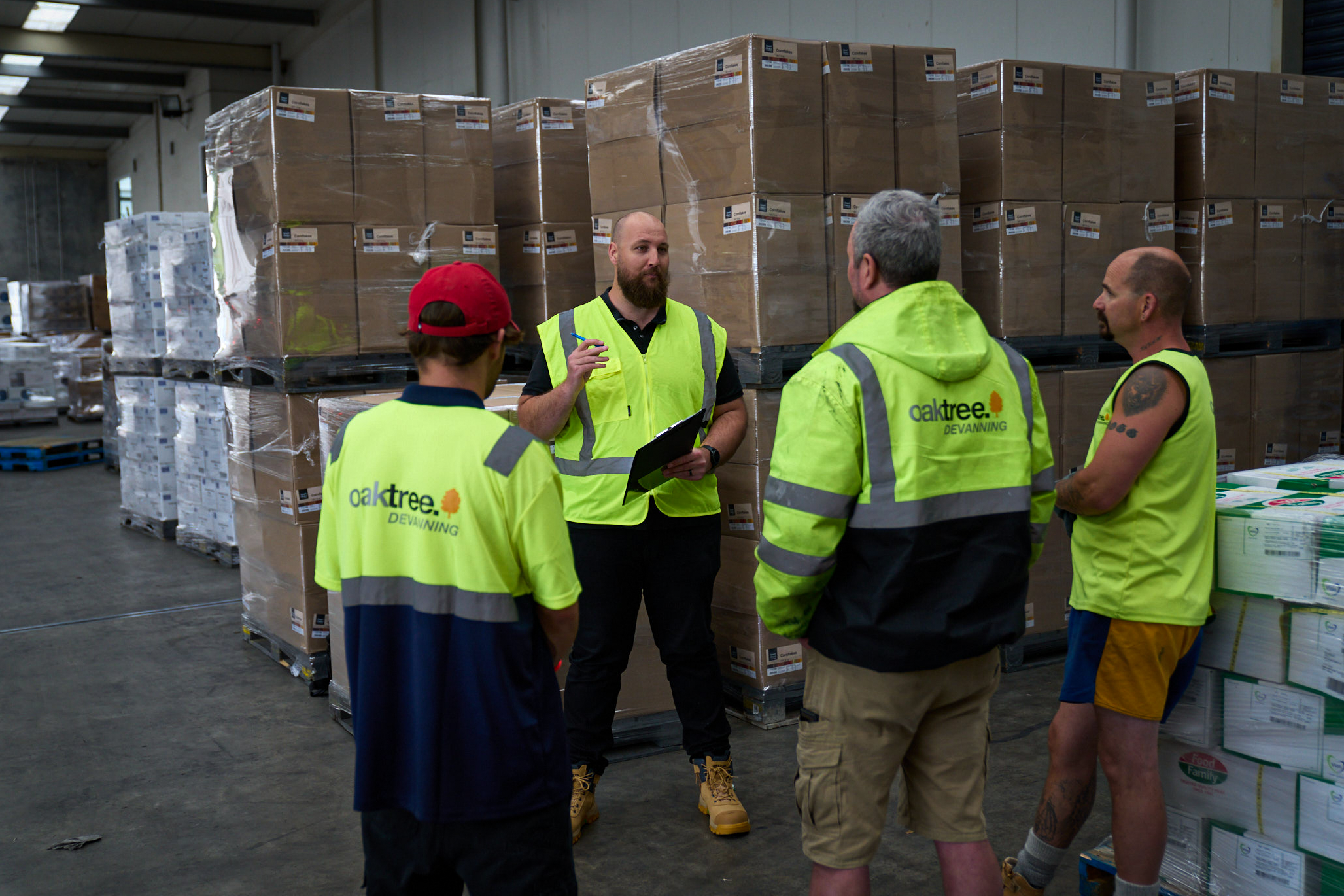
The container is on the dock. The forklift is ready. And the devanning crew, the people who were booked, confirmed, and expected, are not coming.
Every warehouse manager in Christchurch who uses casual container unloading services has this story. Most have it more than once.
The standard fix to a reliability problem is to hire more casually. Cast a wider net, get more names on the books, and plug gaps as they appear. The logic seems sound. The result, consistently, is more of the same problem.
Casual container devanning labour with flat hourly rates gives workers almost no reason to commit. The job pays the same whether they show up reliably or not, whether they are fast or slow, whether clients ask for them back or not. There is no incentive to build a reputation, to invest in the work, or to treat the next shift as worth protecting.
When a crew member does not show, the agency finds a replacement. The replacement needs briefing. The job takes longer. The dock sits idle. The invoice arrives, and detention charges may follow shortly after.
New Zealand's freight and logistics sector is projected to be short 18,000 workers by 2028 if current trends continue. That is not a temporary blip. It is a structural gap, and casual hiring models are not equipped to close it.
Canterbury is not a minor logistics market. More than 431,000 containers moved through Lyttelton in the last financial year. The transport and warehousing sector employs over 14,400 people in the region, and that number is growing.
Hornby Quadrant, one of New Zealand's largest industrial parks, is expanding into a $5.5 billion logistics and manufacturing hub. It already houses Foodstuffs South Island's distribution centre and Dairyworks, which distributes around 80 per cent of New Zealand's cheese. More warehousing is coming. More FMCG tenants. More containers arriving that need unloading reliably and on time.
The demand for reliable container unloading in Christchurch is structurally increasing. The casual labour model is not keeping pace with it.
The businesses that solve the reliability problem do not find it by sourcing better casual workers. They find it by changing the structure.
Oak Tree has provided container devanning in Christchurch since 2002. The model is straightforward: crew are paid a fixed rate per container, not per hour, and earn a tiered reliability bonus on top. Seven tiers, climbing from zero to 18 per cent above base rate, tied directly to punctuality, response times, and consistent attendance. The crew build toward something each time they show up. The next job is worth something to them.
The result is a logistics labour hire crew in Christchurch that clients can plan around, not compensate for.
Around 80 per cent of Oak Tree's crew face real barriers to steady employment. The incentive structure matters to them precisely because of that. Showing up and working well translates directly into higher earnings. That is not a welfare model. It is a pay structure that works.
If you are looking for reliable container devanning in Christchurch or Auckland, get in touch for a quote.